Uzbekistan is set to accelerate the modernization of its education sector following the approval of a $100 million financing package aimed at improving the quality of primary education across the country. The initiative represents a significant investment in human capital development and supports the government’s broader efforts to enhance learning outcomes, strengthen teacher capabilities, and modernize classroom environments.
The programme comes as countries worldwide increasingly recognize education as a critical driver of economic growth, workforce development, and long-term competitiveness in an increasingly knowledge-based global economy.
Investment Targets Learning Quality and Teacher Development
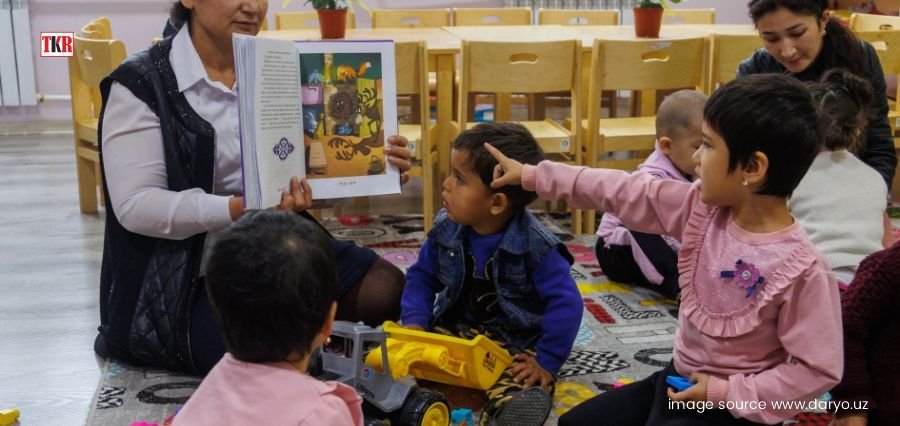
A major focus of the programme will be improving foundational learning outcomes among primary school students by enhancing teaching quality and strengthening classroom instruction methods. Investments will support teacher training initiatives, professional development programmes, and the introduction of modern teaching practices designed to improve student engagement and academic performance.
Teacher development has emerged as a key priority for education systems globally, with research consistently showing that teacher effectiveness plays one of the most important roles in determining student achievement. The initiative is expected to provide educators with access to updated methodologies, digital learning resources, and improved instructional support.
The programme will also promote the use of data-driven approaches to monitor student progress and identify areas requiring additional support, helping schools respond more effectively to individual learning needs and educational disparities.
Modern Classrooms and Digital Learning Receive Attention
Part of the investment will be directed toward upgrading educational infrastructure and improving access to modern learning tools across schools. Digital technologies are expected to play an increasingly important role in classroom instruction as education systems continue integrating technology into everyday learning environments.
The initiative seeks to create more inclusive and engaging educational experiences by supporting the development of learning materials aligned with international standards and contemporary educational practices.
Digital transformation within education has become a global priority as schools prepare students for economies increasingly shaped by artificial intelligence, automation, and advanced technologies. Investments in digital learning infrastructure are viewed as essential for improving educational access and preparing future generations for changing labor market requirements.
The programme also aims to ensure that educational improvements reach students across different regions and communities, supporting more equitable access to quality education opportunities.
Education Reform Supports Long-Term Economic Growth
Uzbekistan has implemented a series of reforms in recent years aimed at modernizing public institutions and improving economic competitiveness. Education has become a central component of these efforts, with policymakers recognizing that long-term growth depends heavily on developing a highly skilled and adaptable workforce.
Strong primary education systems provide the foundation for future academic success, higher productivity, and innovation capacity. Investments in early learning are increasingly viewed as among the most effective ways to improve long-term social and economic outcomes.
The latest funding package aligns with broader national goals of improving educational standards, increasing access to quality learning opportunities, and preparing students for participation in a rapidly evolving global economy.
International organizations and policymakers continue to emphasize that countries investing in education today are better positioned to compete in industries driven by knowledge, technology, and innovation tomorrow.
As Uzbekistan continues its reform agenda, the new investment highlights the country’s commitment to strengthening human capital and building an education system capable of supporting future economic transformation and sustainable development.
Read More: Global Education Experts Gather in Baku to Discuss the Future of Learning