Education is evolving rapidly as schools, colleges, and learning institutions adapt to changing student needs and technological advancements. Traditional teaching methods continue to play an important role, but innovation is becoming essential for improving learning experiences and preparing students for the future. From digital tools and personalized instruction to project-based learning and data-driven teaching, educational innovation is transforming classrooms around the world.
Improving Educational Outcomes Through Innovation is no longer limited to introducing new technologies. It involves creating effective teaching strategies, building engaging learning environments, and helping students develop critical thinking, creativity, collaboration, and problem-solving skills. Educational institutions that embrace innovation are better equipped to improve academic performance while preparing learners for lifelong success.
This article explores 10 innovative strategies that are helping educators improve educational outcomes and create meaningful learning experiences.
Why Improving Educational Outcomes Through Innovation Matters
The demands of modern education have changed significantly. Students today require more than subject knowledge to succeed in higher education and the workplace. They need digital literacy, adaptability, communication skills, and the ability to solve complex problems.
Educational innovation helps schools:
- Increase student engagement
- Improve academic performance
- Support diverse learning needs
- Encourage critical thinking
- Promote collaboration
- Strengthen digital skills
- Prepare students for future careers
By focusing on innovation, educators can make learning more relevant, interactive, and effective.
10 Strategies for Improving Educational Outcomes Through Innovation
1. Personalized Learning
Personalized learning is one of the most effective strategies for Improving Educational Outcomes Through Innovation. Every student learns differently, and personalized instruction allows teachers to adapt lessons according to individual strengths, interests, and learning pace.
Adaptive learning platforms, customized assignments, and flexible teaching methods help students receive the support they need while encouraging independent learning.
Benefits
- Higher student confidence
- Better academic achievement
- Individual learning support
- Improved learning motivation
2. Technology-Enhanced Learning
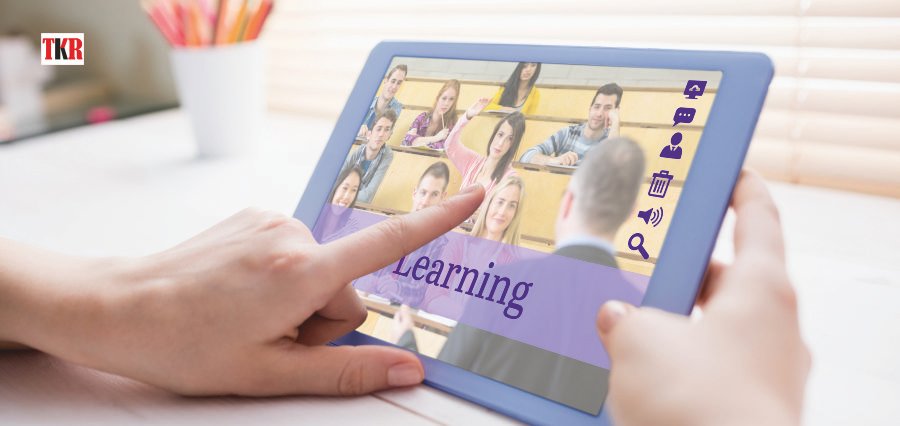
Technology has become an essential part of modern education. Digital tools allow teachers to create engaging lessons while giving students access to learning resources anytime and anywhere.
Examples include:
- Interactive whiteboards
- Learning management systems
- Educational applications
- Virtual classrooms
- AI-powered learning platforms
When integrated effectively, technology enhances classroom participation and improves knowledge retention.
3. Project-Based Learning
Project-based learning allows students to apply classroom concepts to real-world situations. Instead of memorizing facts, learners work on meaningful projects that require research, collaboration, and creative problem-solving.
Projects may include:
- Designing sustainable communities
- Developing business ideas
- Conducting scientific investigations
- Creating multimedia presentations
This method helps students develop a deeper understanding while applying knowledge in practical situations.
4. Collaborative Learning
Learning becomes more effective when students work together. Collaborative learning encourages teamwork through discussions, group activities, peer teaching, and shared projects.
Students learn how to:
- Communicate effectively
- Respect diverse opinions
- Solve problems together
- Develop leadership skills
These experiences prepare learners for collaborative work environments beyond the classroom.
5. Inquiry-Based Learning
Inquiry-based learning encourages students to ask questions, investigate topics, and discover solutions independently. Teachers guide the learning process rather than simply delivering information.
Students become active participants by:
- Conducting research
- Analyzing evidence
- Evaluating information
- Presenting conclusions
This method develops critical thinking and curiosity while making learning more engaging.
6. Continuous Assessment and Feedback
Innovation in education also involves changing how student progress is measured. Instead of relying solely on final examinations, educators increasingly use continuous assessments to monitor learning.
These include:
- Quizzes
- Classroom discussions
- Peer reviews
- Digital assessments
- Project evaluations
Regular feedback helps students identify areas for improvement and supports steady academic growth.
7. Blended Learning
Blended learning combines traditional classroom teaching with online educational resources. Students benefit from face-to-face instruction while also accessing digital materials that reinforce classroom learning.
This flexible approach allows learners to review lessons independently and participate in interactive activities that strengthen understanding.
8. Developing Future-Ready Skills
Education today focuses on more than academic achievement. Schools are increasingly helping students build skills that employers value.
These include:
- Critical thinking
- Creativity
- Communication
- Collaboration
- Digital literacy
- Adaptability
- Leadership
Developing these competencies prepares students for changing career opportunities and lifelong learning.
9. Data-Driven Teaching
Educational institutions now use learning data to improve instruction. Teachers analyze student performance to identify strengths, learning gaps, and areas requiring additional support.
Data-driven teaching enables educators to:
- Personalize instruction
- Monitor progress
- Improve lesson planning
- Increase student success rates
Evidence-based decisions contribute to more effective teaching practices.
10. Professional Development for Educators
Innovation begins with teachers. Continuous professional development ensures educators remain updated with modern teaching methods, educational technologies, and classroom management strategies.
Training programs help teachers:
- Integrate technology effectively
- Improve instructional techniques
- Enhance student engagement
- Adopt innovative assessment methods
Well-prepared teachers create better learning experiences for students.
Benefits of Improving Educational Outcomes Through Innovation
Educational innovation delivers long-term benefits for students, teachers, schools, and society.
Key advantages include:
- Improved student engagement
- Higher academic performance
- Better classroom participation
- Stronger critical thinking skills
- Increased creativity
- Greater digital literacy
- Enhanced collaboration
- Personalized learning experiences
- Better career readiness
- Lifelong learning habits
These outcomes contribute to stronger educational systems and more successful learners.
Challenges in Educational Innovation
Although innovation offers significant benefits, schools may encounter several challenges during implementation.
Common obstacles include:
- Limited funding
- Unequal access to technology
- Teacher training requirements
- Resistance to educational change
- Large classroom sizes
- Infrastructure limitations
Addressing these challenges requires strategic planning, investment, and ongoing support for educators and students.
The Future of Improving Educational Outcomes Through Innovation
The future of education will be driven by continuous innovation. Artificial intelligence, virtual reality, adaptive learning systems, and advanced educational technologies will further personalize learning experiences while supporting teachers in delivering high-quality instruction.
However, technology alone cannot improve education. Successful innovation depends on effective teaching, student engagement, inclusive learning environments, and continuous improvement. Schools that combine innovative practices with strong educational values will be better positioned to prepare students for future challenges.
Conclusion
Improving Educational Outcomes Through Innovation is essential for creating effective, engaging, and future-focused learning environments. By adopting personalized learning, technology integration, project-based instruction, collaborative learning, and continuous assessment, educators can help students achieve stronger academic results while developing the skills needed for lifelong success.
As education continues to evolve, innovation will remain a driving force behind better teaching practices, improved student performance, and meaningful learning experiences that prepare learners for an increasingly dynamic world.
Frequently Asked Questions (FAQs)
1. What does improving educational outcomes through innovation mean?
It refers to using modern teaching methods, technologies, and learning strategies to enhance student engagement, academic achievement, and overall educational quality.
2. Why is innovation important in education?
Innovation helps educators create engaging learning environments, personalize instruction, improve critical thinking, and prepare students with future-ready skills.
3. How does technology improve educational outcomes?
Technology supports interactive learning, personalized instruction, digital collaboration, online assessments, and easier access to educational resources.
4. What are examples of educational innovation?
Examples include blended learning, project-based learning, personalized learning, inquiry-based learning, adaptive learning platforms, and data-driven teaching.
5. How can schools successfully implement educational innovation?
Schools can achieve successful implementation by investing in teacher training, digital infrastructure, continuous assessment, student-centered teaching methods, and ongoing evaluation of educational practices.