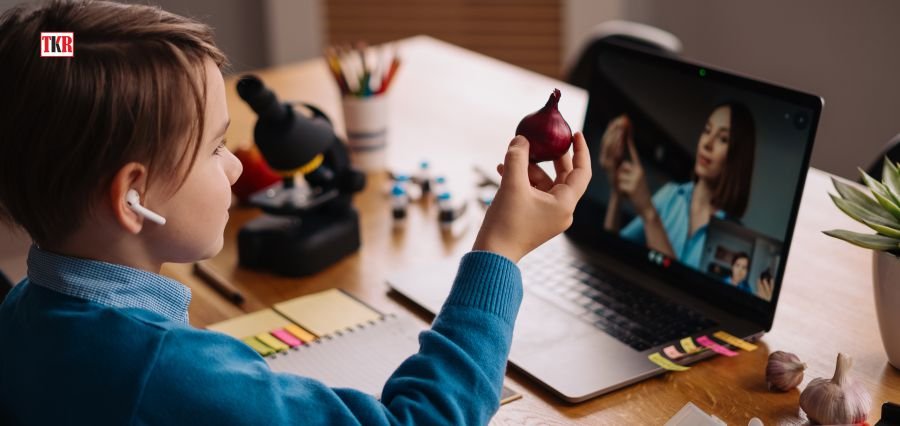
Education has traditionally followed a one-size-fits-all approach, where students in the same classroom receive the same instruction, complete the same assignments, and are assessed using identical standards. While this model has served schools for generations, it often struggles to meet the diverse needs, interests, and learning styles of individual students. This challenge has led to the growing adoption of personalized learning in schools, an educational approach designed to tailor instruction to the unique needs of each learner.
As technology advances and educators gain a deeper understanding of how students learn, personalized learning is becoming an increasingly important part of modern education systems worldwide.
What Is Personalized Learning?
Personalized learning is an educational approach that adapts teaching methods, content, pace, and learning experiences to suit individual students. Rather than expecting every student to learn in the same way and at the same speed, personalized learning recognizes that each learner has different strengths, challenges, interests, and goals.
In a personalized learning environment, students may:
- Progress at different speeds.
- Use different learning materials.
- Choose from multiple ways to demonstrate understanding.
- Receive targeted support based on their needs.
- Explore topics that align with their interests.
The goal is to create a learning experience that maximizes each student’s potential.
Why Personalized Learning Matters
Every classroom contains students with varying abilities and learning preferences. Some students grasp concepts quickly, while others require additional explanation and practice. Traditional teaching methods can leave advanced students feeling unchallenged and struggling students feeling overwhelmed.
Personalized learning addresses these challenges by allowing instruction to adapt to the learner rather than forcing the learner to adapt to the system.
This approach can lead to:
- Higher student engagement
- Improved academic performance
- Greater motivation to learn
- Better retention of knowledge
- Increased confidence and independence
By focusing on individual growth, schools can create more effective and inclusive learning environments.
Key Components of Personalized Learning
Student-Centered Instruction
Personalized learning places students at the center of the educational process. Teachers act as guides and facilitators rather than simply delivering information.
Students are encouraged to take ownership of their learning by setting goals, monitoring progress, and making decisions about their educational pathways.
This approach promotes responsibility and self-management skills that are valuable throughout life.
Flexible Learning Paths
Not all students need to follow the exact same route to achieve learning objectives.
Some learners may benefit from videos and interactive activities, while others prefer reading materials or hands-on experiences. Personalized learning allows educators to provide multiple pathways for understanding concepts.
Flexibility helps ensure that students can learn in ways that suit their strengths and preferences.
Continuous Assessment
Traditional education often relies heavily on final exams and standardized tests. Personalized learning uses ongoing assessments to monitor progress and identify areas where additional support is needed.
Examples include:
- Quizzes
- Projects
- Classroom participation
- Digital learning analytics
- Teacher observations
Frequent feedback allows educators to make adjustments before small challenges become larger problems.
Individual Goal Setting
Students are encouraged to establish personal learning goals and track their own progress.
Goal setting helps learners stay motivated and understand how their daily efforts contribute to long-term success.
It also encourages the development of important skills such as planning, reflection, and accountability.
The Role of Technology
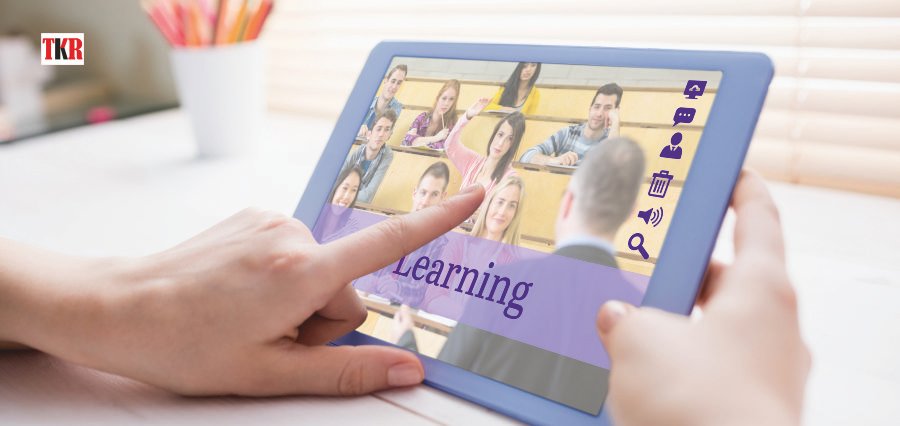
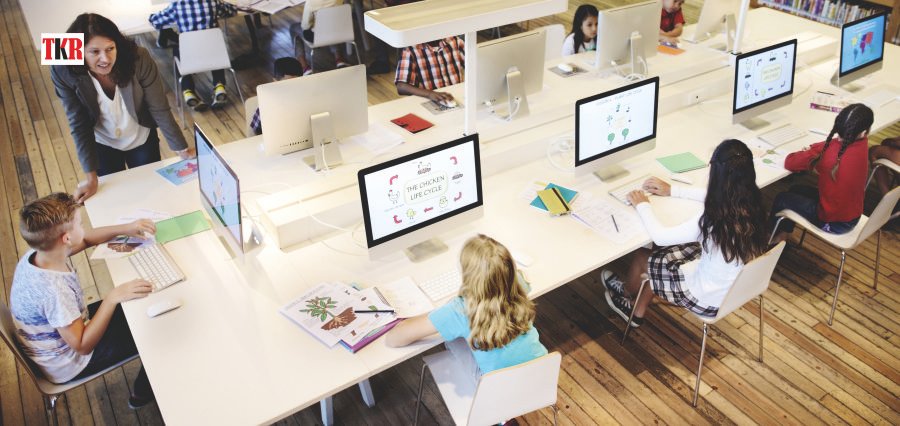
Technology plays a major role in supporting personalized learning in schools.
Modern educational tools can:
- Adapt lesson difficulty automatically.
- Recommend learning resources.
- Track student performance.
- Provide instant feedback.
- Identify knowledge gaps.
Learning management systems and educational software allow teachers to monitor progress in real time and provide targeted interventions when necessary.
Artificial intelligence is also expanding opportunities for adaptive learning experiences that respond to student needs dynamically.
Benefits of Personalized Learning in Schools
Improved Student Engagement
Students are often more motivated when learning materials align with their interests and abilities.
Personalized learning encourages active participation and helps students see greater relevance in what they are studying.
Engaged learners are more likely to persist through challenges and remain committed to their education.
Better Academic Outcomes
Research suggests that students often perform better when instruction matches their learning needs.
Personalized support can help struggling students catch up while allowing advanced learners to continue progressing without unnecessary limitations.
This balanced approach supports achievement across a wide range of ability levels.
Increased Student Confidence
Students who receive instruction at an appropriate level are less likely to become frustrated or discouraged.
Success builds confidence, and confident students are often more willing to participate, ask questions, and take intellectual risks.
Positive learning experiences can influence attitudes toward education for years to come.
Development of Lifelong Learning Skills
Personalized learning encourages students to become active participants in their education.
Skills developed through this process include:
- Self-motivation
- Time management
- Critical thinking
- Problem-solving
- Independent learning
These abilities remain valuable far beyond the classroom.
Challenges of Personalized Learning
Despite its advantages, implementing personalized learning can be challenging.
Teacher Workload
Creating individualized learning experiences requires planning, preparation, and continuous monitoring.
Teachers may need additional time and support to design lessons that accommodate diverse student needs.
Technology Access
Not all schools have equal access to digital tools and infrastructure.
Limited budgets, unreliable internet access, and insufficient devices can create barriers to implementation.
Professional Development Needs
Educators need training to effectively use technology and implement personalized learning strategies.
Without adequate support, even well-designed systems may fail to achieve their intended outcomes.
Balancing Standardization and Flexibility
Schools must still meet curriculum requirements and assessment standards while allowing for individualized learning experiences.
Finding the right balance can be complex.
Strategies for Successful Implementation
Schools can improve the effectiveness of personalized learning by:
- Investing in teacher training.
- Using data to guide instruction.
- Providing access to quality digital tools.
- Encouraging student choice and voice.
- Maintaining regular communication with parents and caregivers.
Successful implementation requires collaboration between educators, administrators, students, and families.
The Future of Personalized Learning
As technology continues to evolve, personalized learning is expected to become even more sophisticated.
Emerging technologies such as artificial intelligence, predictive analytics, and adaptive learning platforms may allow schools to provide highly customized educational experiences at scale.
Future classrooms may offer learning environments where instruction continuously adapts to each student’s needs, strengths, and goals.
This could significantly improve educational outcomes and reduce achievement gaps.
Conclusion
Personalized learning in schools represents a major shift from traditional educational models toward a more flexible and student-centered approach. By recognizing individual differences and adapting instruction accordingly, schools can create environments where every student has the opportunity to succeed.
While challenges remain, advances in technology and educational practices are making personalized learning increasingly practical and effective. As education continues to evolve, personalized learning is likely to play a central role in preparing students for the demands of the modern world and the opportunities of the future.