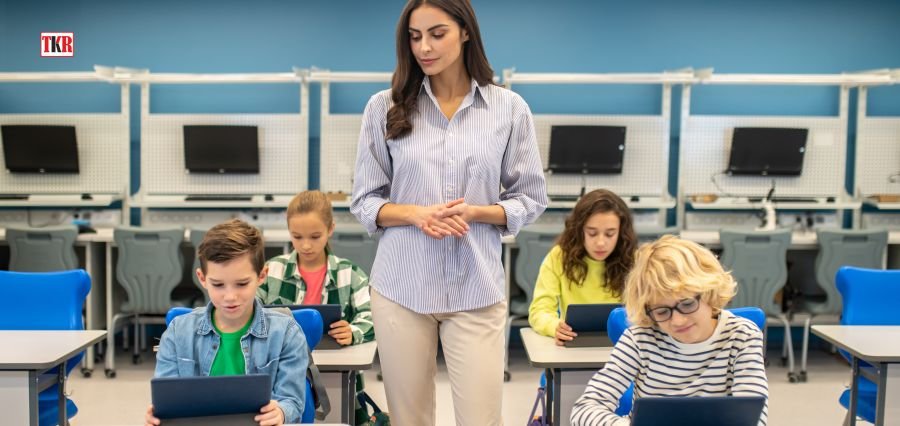
Classroom management has evolved significantly in recent years as educators adapt to changing student needs, technological advancements, and new teaching methods. Traditional discipline-focused approaches are increasingly being replaced by strategies that emphasize engagement, collaboration, and positive relationships. Effective classroom management today goes beyond maintaining order—it focuses on creating an environment where students feel motivated, respected, and ready to learn.
Here are 10 modern classroom management techniques that help teachers build productive and supportive learning environments.
1. Establish Clear Expectations and Rules
Successful classroom management begins with clearly defined expectations. Students should understand behavioral standards, classroom procedures, and academic responsibilities from the very beginning.
Effective expectations should be:
- Simple and easy to understand
- Consistently enforced
- Positively worded
- Developed with student input when possible
When students know what is expected of them, confusion and behavioral issues often decrease.
2. Build Positive Relationships with Students
Strong teacher-student relationships are one of the most powerful classroom management tools.
Students are more likely to participate, cooperate, and follow expectations when they feel respected and supported by their teachers.
Ways to build relationships include:
- Learning student names quickly
- Showing interest in student experiences
- Providing encouragement
- Listening actively to concerns
- Celebrating achievements
Positive relationships create trust and improve classroom culture.
3. Use Positive Reinforcement
Modern classroom management emphasizes encouraging desired behaviors rather than focusing only on correcting negative behavior.
Examples of positive reinforcement include:
- Verbal praise
- Recognition programs
- Reward systems
- Certificates or achievements
- Additional responsibilities
Recognizing positive behavior often motivates students to maintain high standards.
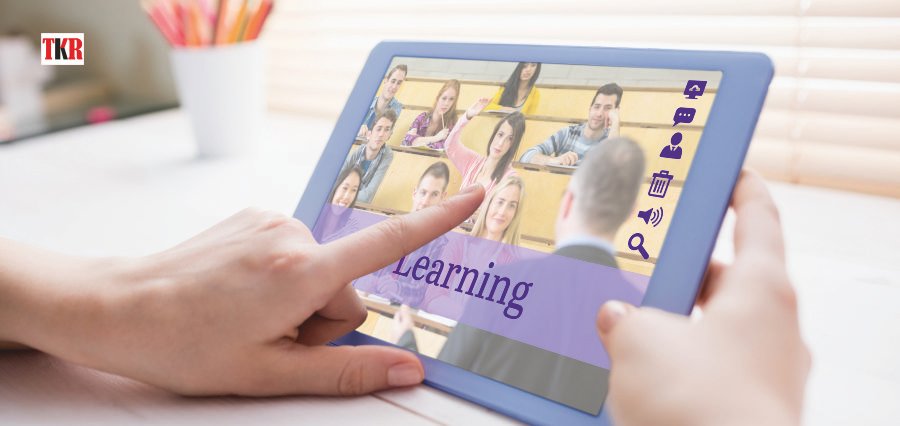
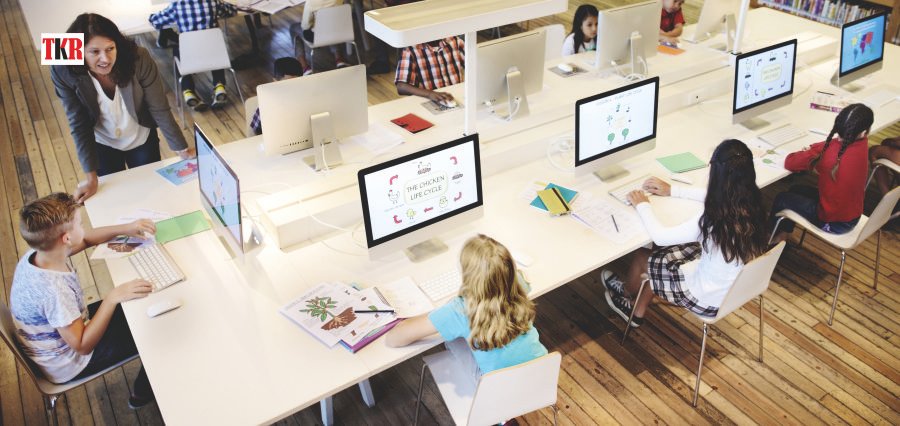
4. Incorporate Technology Effectively
Technology can support classroom management when used appropriately.
Teachers can use digital tools for:
- Attendance tracking
- Classroom communication
- Assignment management
- Interactive learning activities
- Behavior monitoring
Learning management systems and classroom apps help organize instruction while reducing administrative workload.
5. Create Engaging Lessons
Student engagement is closely connected to classroom behavior. Bored or disengaged students are more likely to become distracted or disruptive.
Modern lessons often include:
- Group discussions
- Interactive activities
- Multimedia resources
- Project-based learning
- Real-world examples
Engaging instruction naturally encourages participation and reduces management challenges.
6. Implement Flexible Seating Arrangements
Traditional rows of desks are no longer the only classroom option.
Flexible seating can include:
- Collaborative tables
- Standing desks
- Small group areas
- Independent work spaces
- Comfortable reading corners
Allowing students some choice in their learning environment can improve focus and collaboration.
7. Use Restorative Practices
Restorative practices focus on repairing relationships and understanding the causes of conflict rather than relying solely on punishment.
Examples include:
- Classroom discussions
- Reflection activities
- Mediation sessions
- Problem-solving conversations
These approaches help students develop accountability and interpersonal skills.
8. Encourage Student Ownership
Students who feel ownership over their learning environment often demonstrate greater responsibility.
Teachers can encourage ownership by allowing students to:
- Help create classroom rules
- Participate in decision-making
- Set personal goals
- Monitor their own progress
- Lead classroom activities
This involvement promotes independence and accountability.
9. Use Data to Identify Patterns
Modern educators increasingly use data to improve classroom management.
Tracking attendance, participation, assignment completion, and behavioral incidents can help identify trends and potential concerns early.
Data-informed decisions allow teachers to provide support before issues become more serious.
10. Maintain Consistency and Fairness
Consistency remains one of the most important principles of effective classroom management.
Students respond best when expectations and consequences are applied fairly and predictably.
Consistency helps build trust and creates a sense of security within the classroom environment.
The Role of Social-Emotional Learning
Social-emotional learning has become an important component of modern classroom management.
Programs that teach skills such as:
- Emotional regulation
- Empathy
- Communication
- Conflict resolution
- Decision-making
can improve classroom behavior and strengthen relationships among students.
Benefits of Modern Classroom Management Techniques
When implemented effectively, these approaches can lead to:
- Improved student engagement
- Better academic performance
- Stronger classroom relationships
- Reduced behavioral disruptions
- Increased student confidence
- More positive school environments
Teachers also often experience lower stress levels and greater job satisfaction.
Challenges in Modern Classrooms
Educators may face challenges such as:
- Diverse learning needs
- Technology distractions
- Large class sizes
- Mental health concerns
- Hybrid or remote learning environments
Addressing these challenges requires flexibility, ongoing professional development, and collaboration with families and school leaders.
The Future of Classroom Management
Future classroom management strategies will likely involve greater use of technology, artificial intelligence, and personalized learning systems.
However, the core principles of respect, communication, engagement, and relationship-building are expected to remain central to effective teaching practices.
Technology may support classroom management, but meaningful human connections will continue to play the most important role.
Conclusion
Modern classroom management techniques focus on creating positive, inclusive, and engaging learning environments rather than simply controlling behavior. By combining clear expectations, strong relationships, technology integration, and student-centered practices, teachers can build classrooms that support both academic achievement and personal growth.
As education continues to evolve, successful classroom management will increasingly depend on flexibility, empathy, and the ability to adapt to the changing needs of students and society.