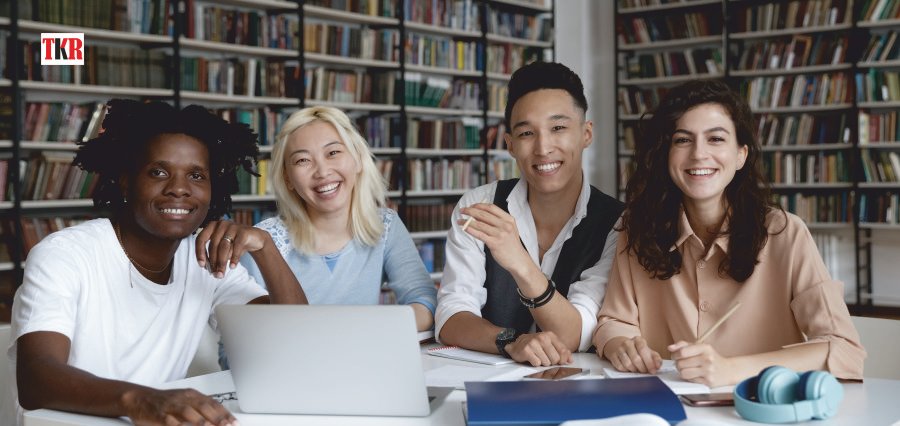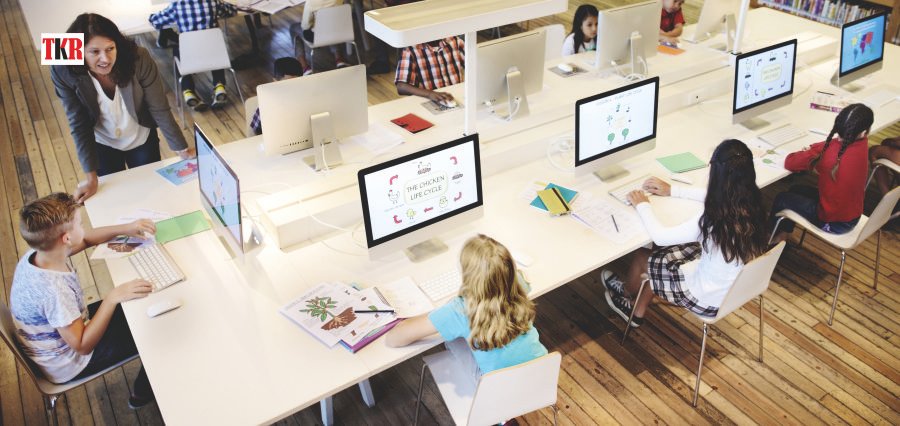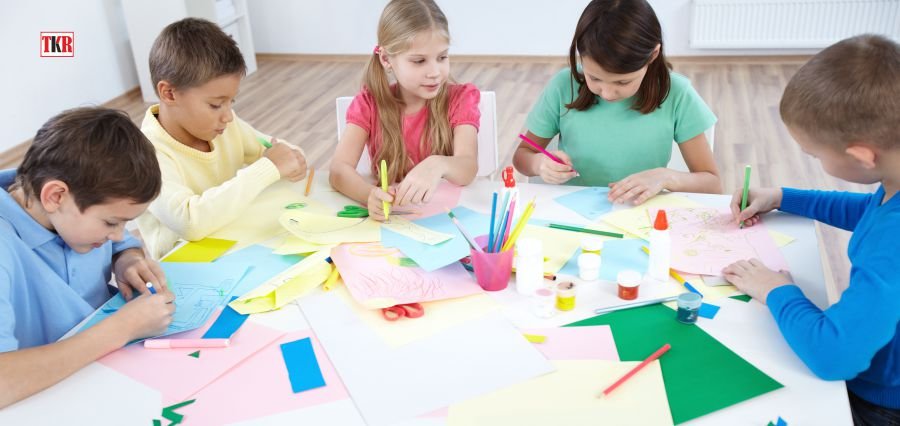
Walk into a classroom where students are actively discussing ideas, solving problems together, and helping one another understand new concepts, and you’ll likely see collaborative learning in action. Over the years, educators have discovered that students often learn best when they work with their peers rather than simply listening to lectures.
Collaborative learning encourages students to engage with course material, communicate their ideas, and learn from different perspectives. Instead of viewing learning as an individual task, students become part of a shared learning experience where everyone contributes to the group’s success.
This is why collaborative learning classroom activities have become increasingly popular in schools across the United States. They help students build academic knowledge while also developing valuable social and communication skills that will benefit them far beyond the classroom.
What Is Collaborative Learning?
Collaborative learning is an instructional approach in which students work together in pairs or small groups to complete tasks, solve problems, or achieve common goals.
Unlike traditional group work, effective collaborative learning requires active participation from all members. Students share ideas, ask questions, provide feedback, and support one another throughout the learning process.
The goal is not simply to complete an assignment but to deepen understanding through interaction and teamwork.
Many educators incorporate collaborative learning classroom activities because they encourage students to become more engaged and take greater ownership of their learning.
Why Collaborative Learning Matters
Today’s students are preparing for a world where teamwork is an essential part of nearly every profession. Whether they pursue careers in healthcare, business, technology, education, or engineering, they will likely work with others to achieve goals and solve challenges.
Collaborative learning helps students practice skills such as:
- Communication
- Problem-solving
- Leadership
- Active listening
- Conflict resolution
- Critical thinking
- Decision-making
These abilities are difficult to develop through independent assignments alone.
When students regularly participate in collaborative activities, they learn how to share responsibility, respect different viewpoints, and contribute effectively to group efforts.
Think-Pair-Share
One of the simplest yet most effective collaborative strategies is Think-Pair-Share.
In this activity, students first think about a question independently. They then discuss their ideas with a partner before sharing their thoughts with the larger class.
This structure allows every student to participate and gives quieter learners an opportunity to organize their ideas before speaking publicly.
Think-Pair-Share works well across subjects and grade levels because it encourages active engagement without requiring extensive preparation.
It is often one of the first collaborative learning classroom activities teachers introduce when building a cooperative classroom environment.
Group Problem-Solving Challenges
Problem-solving activities encourage students to work together to find solutions to complex questions or real-world scenarios.
For example, students might:
- Design a sustainable community
- Solve a science-related challenge
- Develop a business proposal
- Analyze a historical event
- Create a marketing campaign
These tasks require students to combine knowledge, share ideas, and evaluate different approaches.
The collaborative process often helps students gain deeper insights than they would achieve independently.
Jigsaw Learning
Jigsaw is a highly effective strategy that promotes both individual accountability and teamwork.
In this activity, students are divided into groups, and each member becomes responsible for learning one specific part of a larger topic. Students then teach their section to their teammates.
Because every student contributes unique information, everyone plays an important role in the group’s success.
This method encourages active participation and helps students develop both communication and leadership skills.
Many teachers consider Jigsaw one of the most impactful collaborative learning classroom activities because it ensures that every student has a meaningful contribution to make.
Collaborative Research Projects
Research projects become more engaging when students work together to investigate topics and present their findings.
Groups can divide responsibilities based on individual strengths. One student might gather information, another may organize data, while others focus on creating presentations or visual materials.
Through collaboration, students learn how to manage responsibilities, meet deadlines, and synthesize information from multiple sources.
These experiences closely mirror the teamwork expectations students may encounter in higher education and future careers.
Peer Teaching Activities
One of the best ways to learn something is to teach it.
Peer teaching allows students to explain concepts to classmates, answer questions, and support one another’s understanding.
This approach benefits both the student providing instruction and the student receiving it. Teaching requires deeper comprehension, while learners often find peer explanations easier to understand because they are presented from a student’s perspective.
Peer teaching also helps build confidence and strengthens classroom relationships.
Collaborative Writing Projects
Writing doesn’t always have to be a solitary activity.
Students can work together to create:
- Stories
- Research papers
- News articles
- Presentations
- Classroom publications
Collaborative writing encourages students to discuss ideas, revise content, and provide constructive feedback.
These projects help students improve both writing skills and teamwork abilities.
As digital collaboration tools become more common, collaborative writing also prepares students for modern workplace environments where group content creation is increasingly common.
Benefits Beyond Academics
While collaborative learning supports academic achievement, its benefits extend far beyond grades and test scores.
Students who regularly participate in group learning activities often develop stronger interpersonal skills and greater self-confidence.
Additional benefits include:
- Improved classroom engagement
- Enhanced communication abilities
- Greater empathy and understanding
- Increased motivation
- Stronger critical thinking skills
- Better conflict-resolution abilities
These outcomes explain why educators continue to prioritize collaborative learning classroom activities as part of effective instruction.
Creating Successful Collaborative Experiences
Not every group activity automatically leads to successful collaboration. Teachers play an important role in establishing expectations and creating structures that support productive teamwork.
Effective collaborative learning often includes:
- Clearly defined goals
- Individual accountability
- Balanced group participation
- Structured roles and responsibilities
- Opportunities for reflection
- Teacher guidance and feedback
When these elements are present, students are more likely to remain engaged and contribute meaningfully to the group’s success.
Preparing Students for the Future
Modern workplaces place a high value on collaboration. Employers consistently seek individuals who can work effectively with diverse teams, communicate clearly, and contribute to shared objectives.
By participating in collaborative learning classroom activities, students gain valuable experience working with others to solve problems and achieve goals.
These experiences help prepare them not only for academic success but also for future professional opportunities.
As technology continues to connect people across industries and geographic boundaries, collaboration will remain one of the most important skills students can develop.
Final Thoughts
Learning is often most effective when it becomes a shared experience. Collaborative learning transforms classrooms into active communities where students learn from one another, explore ideas together, and develop essential life skills.
From Think-Pair-Share and Jigsaw activities to research projects and peer teaching, collaborative learning classroom activities provide opportunities for students to engage more deeply with content while strengthening teamwork and communication abilities.
As educators continue to prepare students for an increasingly interconnected world, collaborative learning will remain a powerful tool for building knowledge, confidence, and lifelong success. By encouraging students to work together, schools help create learners who are not only academically capable but also ready to thrive in collaborative environments throughout their lives.