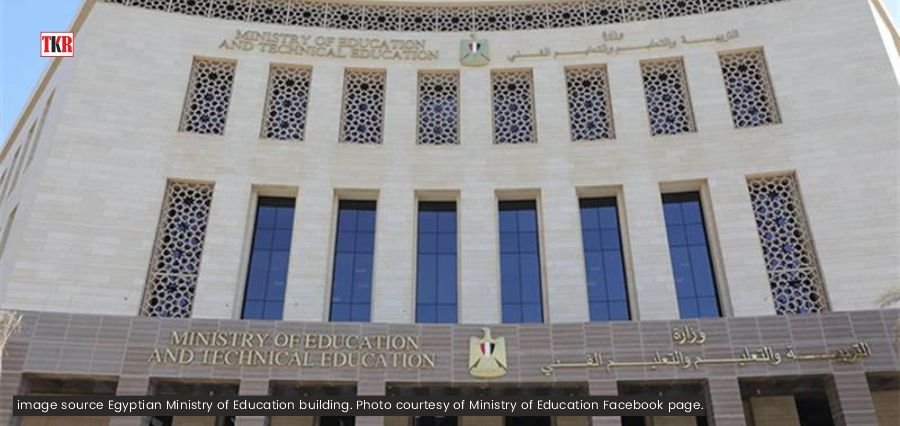
Egypt’s Ministry of Education has introduced new regulations limiting student transfers into international schools during the final years of secondary education. Beginning with the 2026–2027 academic year, students will no longer be permitted to transfer into the third and final year of secondary education at international schools. Additionally, the same academic year will be the last in which transfers into the second year of secondary education will be allowed. Starting from 2027–2028, transfers to international schools will only be permitted for students entering the first year of secondary education.
The decision is intended to improve academic continuity and ensure that students complete the majority of their secondary education within a single curriculum. Education authorities believe that restricting late-stage transfers will help maintain consistent learning pathways while reducing disruptions caused by switching educational systems during critical examination years.
Focus on Academic Stability and Curriculum Consistency
The new policy reflects a broader effort to strengthen the quality and integrity of secondary education. Students transferring between different educational systems during the final years often encounter significant differences in curricula, assessment methods, and graduation requirements. These transitions can create academic challenges that affect both student performance and school administration.
By limiting transfers to the beginning of secondary education, authorities aim to provide students with sufficient time to adapt to the teaching methods, academic standards, and examination structures of international schools. The approach is expected to create a more stable educational environment while allowing schools to deliver programmes with greater consistency from the first year through graduation.
Education specialists note that completing an entire secondary programme within one educational framework can improve learning continuity, strengthen subject mastery, and better prepare students for university admissions. International schools following curricula such as British, American, International Baccalaureate, or other global programmes often require students to build knowledge progressively over several years, making late transfers more academically challenging.
Schools and Families Prepare for New Admission Rules
The revised regulations are expected to influence admission planning for both schools and families. Parents considering international education for their children will now need to make enrollment decisions earlier in the secondary education journey rather than waiting until the final years.
International schools are also expected to adjust their admissions processes and communication strategies to ensure prospective families understand the updated transfer requirements. Earlier enrollment may allow schools to provide more comprehensive academic support while enabling students to integrate fully into their chosen curriculum before entering examination years.
Education administrators believe the policy will simplify long-term academic planning by creating more predictable student enrollment patterns. Schools may also benefit from greater classroom continuity, enabling teachers to deliver programmes more effectively across the full secondary cycle.
Supporting Long-Term Education Quality
The introduction of the new transfer policy forms part of ongoing efforts to strengthen educational standards and improve learning outcomes across Egypt’s school system. Ensuring students remain within a consistent academic framework throughout secondary education is expected to enhance curriculum delivery, assessment quality, and overall student preparedness for higher education.
For students, earlier enrollment in international schools provides additional time to adapt to academic expectations, language requirements, and teaching methodologies before reaching high-stakes examinations. This continuity can contribute to stronger academic performance and a smoother transition to universities both within Egypt and internationally.
As education systems continue evolving to meet changing academic and workforce demands, policymakers are placing greater emphasis on stability, curriculum alignment, and long-term student development. The updated transfer regulations represent another step toward creating a more structured and consistent secondary education experience while supporting students in achieving successful academic outcomes.
Read More: International Student Interest in US Universities Remains Strong Despite Immigration Uncertainty