Education has always evolved with changing social needs, teaching methods, and technological advancements. Classrooms that once depended mainly on textbooks and traditional lectures are now becoming more interactive, personalized, and connected environments. The integration of modern tools is helping educators create learning experiences that are more engaging and accessible for students.
Future classroom technology trends are shaping a new generation of learning spaces where digital solutions, smart infrastructure, and innovative teaching approaches work together to improve education outcomes. These advancements are not only changing how students absorb knowledge but also helping teachers manage classrooms more effectively and support different learning styles.
How Future Classroom Technology Trends Are Transforming Education
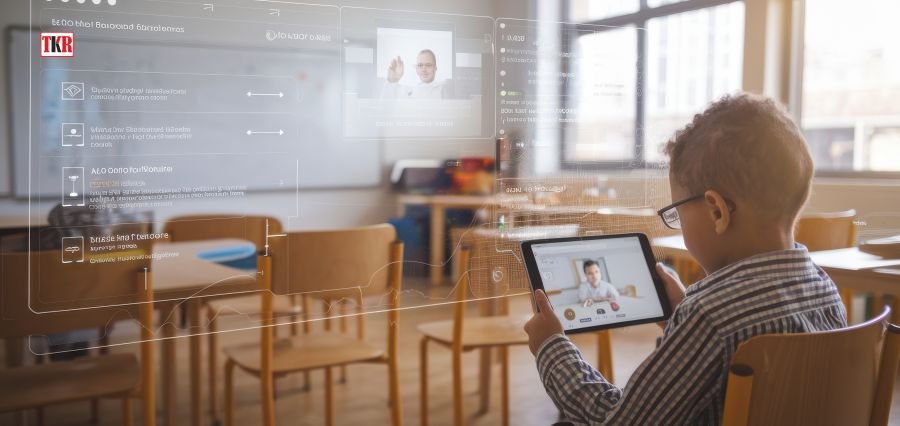
The modern classroom is moving beyond physical boundaries. Digital platforms, connected devices, and interactive learning systems are creating opportunities for students to explore concepts through practical experiences rather than relying only on traditional explanations.
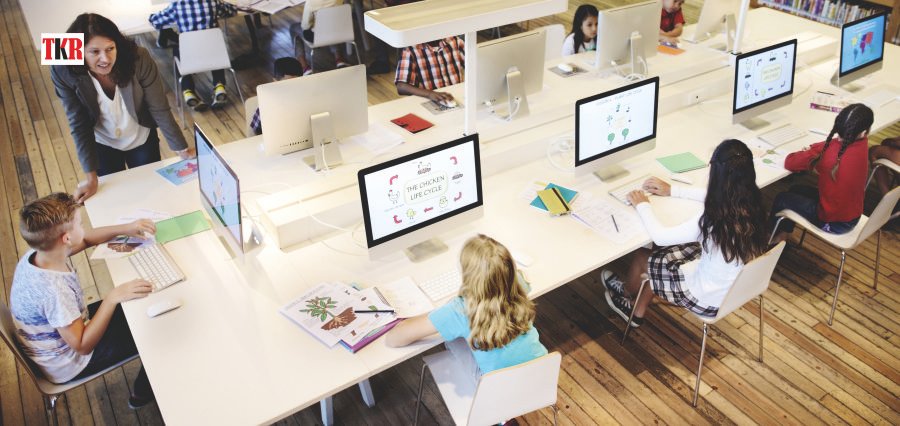
One major shift is the growth of smart classrooms equipped with advanced display systems, digital learning platforms, and connected devices. These technologies allow teachers to present information through videos, simulations, and interactive activities that make complex subjects easier to understand.
Personalized learning is another important development. Students differ in their abilities, interests, and pace of learning. Technology allows educators to create customized learning experiences by analyzing student performance and providing resources based on individual requirements. This approach helps students learn at their own pace while allowing teachers to provide better guidance.
The Rise of Interactive and Immersive Learning Experiences
One of the most important aspects of Future classroom technology trends is the increasing use of immersive learning methods. Technologies such as virtual reality and augmented reality are introducing new ways for students to experience education.
Instead of only reading about historical events, scientific processes, or geographical locations, students can explore virtual environments that bring lessons to life. For example, a biology student can examine human anatomy through a three-dimensional model, while a history student can virtually visit ancient civilizations.
These immersive experiences improve student engagement and encourage curiosity. They also help learners develop stronger connections with subjects by allowing them to understand concepts through visualization and practical interaction.
Artificial Intelligence and Smart Learning Assistance
Modern classrooms are increasingly using intelligent systems to support both teachers and students. Automated learning platforms can help identify areas where students need improvement and recommend suitable learning materials.
For educators, technology can simplify administrative tasks such as tracking attendance, analyzing assessments, and organizing learning resources. This allows teachers to spend more time focusing on mentoring and student development.
However, technology is not replacing teachers. Instead, it is becoming a supportive tool that enhances teaching effectiveness. The role of educators remains essential in developing creativity, communication skills, critical thinking, and emotional intelligence among students.
Digital Collaboration and Connected Classrooms
Collaborative learning has emerged as a fundamental aspect of today’s educational environment. Digital platforms allow students to work together on projects, share ideas, and communicate beyond classroom walls.
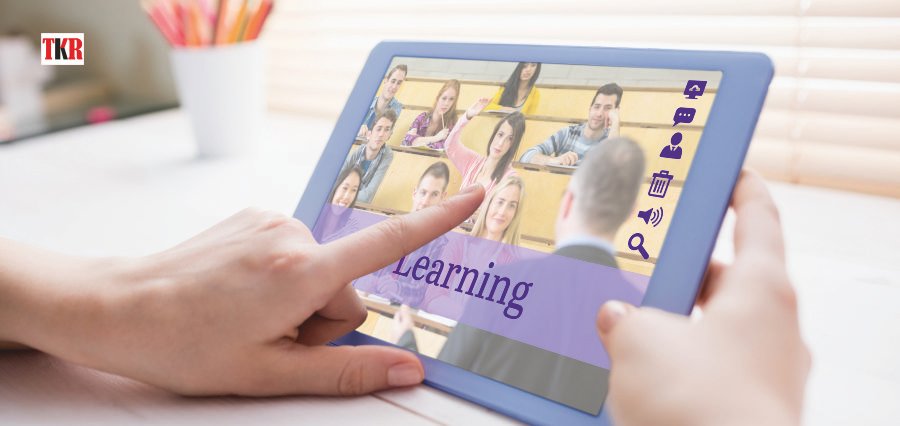
Cloud-based learning environments enable students to access study materials, assignments, and resources from different locations. This flexibility supports continuous learning and helps create more inclusive educational opportunities.
Future classrooms will likely focus more on teamwork and problem-solving activities. Students will not only consume information but also actively participate in creating knowledge through discussions, research, and collaborative projects.
The Growth of Smart Devices and Advanced Learning Tools
Another significant development in education is the increasing adoption of smart devices. Tablets, interactive boards, digital notebooks, and educational applications are becoming common parts of learning environments.
These tools provide quick access to information and allow students to explore additional resources beyond traditional textbooks. Teachers can also use digital assessments to receive immediate feedback and understand student progress more effectively.
Future classroom technology trends also highlight the importance of flexible learning environments. Classrooms are being designed with adaptable layouts, connected systems, and technology-enabled spaces that encourage creativity and active participation.
Preparing Students for Future Careers
Education systems are facing the challenge of preparing students for a rapidly changing professional world. Modern workplaces require skills such as digital literacy, communication, adaptability, and problem-solving.
Technology-driven classrooms help students develop these abilities from an early stage. Through digital projects, online collaboration, and interactive learning experiences, students gain practical skills that can support their future careers.
Schools and educational institutions must focus on balancing technology adoption with strong teaching foundations. Successful learning environments will combine innovative tools with effective teaching strategies to create meaningful educational experiences.
Challenges in Implementing Classroom Technology
Although technology provides many benefits, implementing advanced systems in education also comes with challenges. Schools need proper infrastructure, reliable internet connectivity, teacher training, and financial investment to successfully adopt new solutions.
Teachers must also receive continuous professional development to understand how to use technology effectively. Simply introducing digital tools does not guarantee better learning outcomes. The success of technology depends on how effectively it is integrated into teaching methods.
Data privacy and digital security are additional concerns. Educational institutions must ensure that student information is protected while using online platforms and digital systems.
The Future of Technology-Driven Education
The coming years will bring further innovation in education. Learning environments will become more connected, personalized, and interactive as new technologies continue to develop.
Future classroom technology trends will continue influencing how students learn, how teachers deliver lessons, and how schools design educational experiences. Success will depend not only on adopting innovative tools but also on building learning environments that inspire creativity, curiosity, and a commitment to lifelong learning.
The future classroom will be a combination of technology, human guidance, and innovative teaching practices. By using digital advancements responsibly, educational institutions can create opportunities for students to achieve greater academic and professional success.
Frequently Asked Questions
1. What are the major technologies shaping modern classrooms?
Major technologies include interactive displays, virtual reality, augmented reality, digital learning platforms, cloud-based systems, and smart devices that improve classroom engagement and accessibility.
2. How does technology improve student learning?
Technology improves learning by providing personalized resources, interactive experiences, instant feedback, and access to a wider range of educational materials.
3. Will technology replace teachers in future classrooms?
No, technology will support teachers rather than replace them. Educators will continue playing a crucial role in guiding students, developing skills, and creating meaningful learning experiences.
4. Why is personalized learning important in modern education?
Personalized learning helps address individual student needs by allowing learners to study according to their abilities, interests, and learning pace.
5. What challenges do schools face when adopting classroom technology?
Schools may face challenges such as infrastructure costs, teacher training requirements, digital security concerns, and ensuring equal access to technology for all students.
Conclusion
The transformation of education is already underway, and technology is becoming a central part of modern learning environments. From immersive experiences to personalized education systems, new solutions are creating more engaging and effective ways to teach and learn.
As Future classroom technology trends continue to develop, schools must focus on using innovation strategically while maintaining the importance of human interaction and quality teaching. The classrooms of tomorrow will not only deliver knowledge but also inspire creativity, collaboration, and skills needed for future success.