Education has undergone significant changes in recent years, driven by rapid advancements in technology and evolving student expectations. Traditional teaching methods are increasingly being complemented by digital tools that enhance learning experiences, improve engagement, and support personalized education. At the center of this transformation is the rise of smart classrooms, where technology is integrated into teaching environments to create more interactive and effective learning experiences.
Understanding smart classroom technology benefits helps educators, institutions, and policymakers make informed decisions about investing in modern educational infrastructure.
What Is a Smart Classroom?
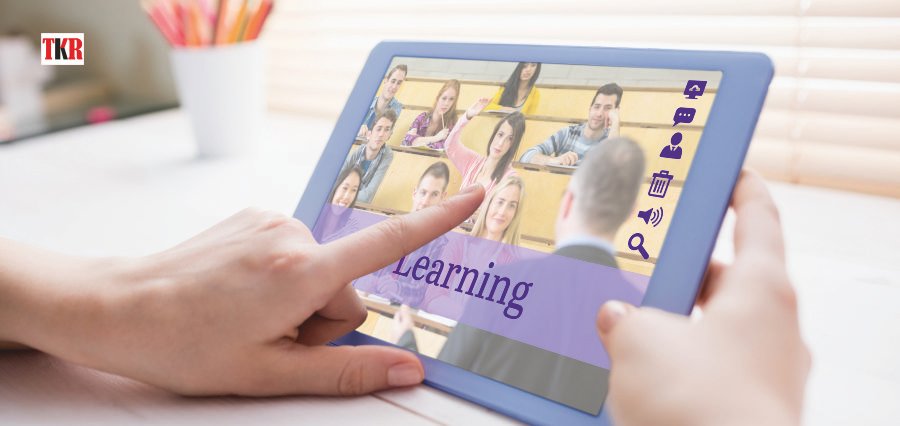
A smart classroom is a technology-enhanced learning environment that uses digital tools and connected devices to improve teaching and learning outcomes. These classrooms often include interactive displays, tablets, learning management systems, cloud-based collaboration tools, artificial intelligence applications, and internet-connected educational resources.
Rather than replacing traditional teaching methods, smart classrooms enhance instruction by providing teachers with additional tools to engage students and deliver content more effectively.
1. Increased Student Engagement
One of the biggest advantages of smart classrooms is their ability to capture and maintain student attention.
Interactive whiteboards, multimedia presentations, educational games, and real-time quizzes make lessons more dynamic and engaging than traditional lectures alone. Students are often more motivated to participate when learning involves visual, interactive, and collaborative activities.
Among the most important smart classroom technology benefits is the ability to transform passive learners into active participants in the educational process.
2. Personalized Learning Experiences
Students learn at different speeds and have varying strengths, weaknesses, and learning styles. Smart classroom technologies make it easier for educators to tailor instruction to individual needs.
Adaptive learning platforms can:
- Adjust difficulty levels automatically
- Recommend additional resources
- Identify learning gaps
- Provide personalized feedback
This individualized approach can improve both understanding and academic performance.
3. Improved Collaboration
Modern workplaces increasingly value teamwork and collaboration, making these skills essential for students to develop.
Smart classrooms encourage collaboration through:
- Shared digital workspaces
- Group projects
- Interactive activities
- Online discussion forums
- Collaborative presentations
Technology allows students to work together both inside and outside the classroom, preparing them for future professional environments.
4. Access to Global Educational Resources
Traditional classrooms often rely heavily on textbooks and printed materials. Smart classrooms provide access to vast digital libraries, educational videos, simulations, research databases, and online courses.
Students can explore current information and diverse perspectives from around the world, enriching their learning experiences and broadening their understanding of complex topics.
Access to global content is one of the most valuable smart classroom technology benefits for modern learners.
5. Better Learning Outcomes Through Visualization
Many concepts are easier to understand when presented visually rather than through text alone.
Smart technologies allow teachers to use:
- Animations
- Simulations
- Interactive diagrams
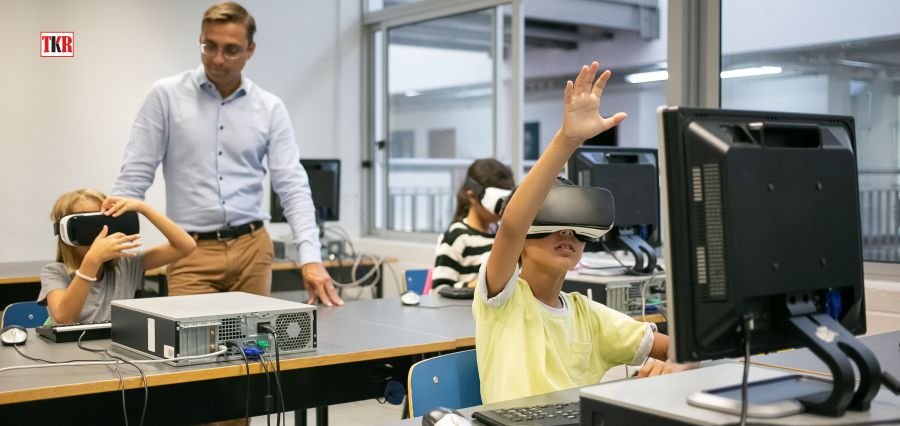
- Virtual reality experiences
- Educational videos
Subjects such as science, engineering, geography, and medicine particularly benefit from visual and interactive learning methods.
6. Enhanced Teacher Efficiency
By automating administrative tasks, technology enables teachers to focus more on teaching and supporting students.
Digital tools can assist with:
- Attendance tracking
- Assignment distribution
- Automated grading
- Progress monitoring
- Communication with parents
These efficiencies improve productivity and help educators manage growing responsibilities more effectively.
7. Real-Time Assessment and Feedback
Traditional assessments often require significant time for grading and analysis. Smart classroom systems can provide immediate feedback to both students and teachers.
Instant feedback helps students identify areas for improvement while enabling teachers to adjust instructional strategies quickly when necessary.
Real-time performance insights can lead to more effective interventions and improved learning outcomes.
8. Support for Remote and Hybrid Learning
The growth of remote and hybrid education models has highlighted the importance of flexible learning environments.
Smart classroom technologies support:
- Video conferencing
- Virtual collaboration
- Cloud-based assignments
- Online assessments
- Recorded lessons
These capabilities ensure continuity of learning regardless of location or circumstances.
9. Improved Accessibility and Inclusion
Technology can make education more accessible for students with diverse needs and abilities.
Examples include:
- Speech-to-text tools
- Translation software
- Screen readers
- Captioning services
- Adjustable learning interfaces
Inclusive technologies help create learning environments where all students have opportunities to succeed.
Many educators consider accessibility improvements among the most important smart classroom technology benefits available today.
10. Preparation for Future Careers
Digital literacy has become an essential skill in nearly every profession.
Students who regularly use educational technologies develop familiarity with:
- Digital communication tools
- Online collaboration platforms
- Research technologies
- Data analysis tools
- Productivity software
These experiences help prepare students for increasingly technology-driven workplaces.
Challenges of Smart Classroom Implementation
Despite numerous advantages, smart classroom adoption also presents challenges.
Cost of Infrastructure
Hardware, software, maintenance, and training can require significant financial investments.
Teacher Training Requirements
Educators need adequate support and professional development to use technologies effectively.
Technical Issues
Internet outages, software problems, and equipment failures can disrupt learning if proper support systems are not in place.
Cybersecurity Concerns
Educational institutions must protect sensitive student information and ensure secure digital environments.
Best Practices for Successful Implementation
Schools can maximize the value of smart classrooms by following several best practices:
- Provide ongoing teacher training.
- Invest in reliable infrastructure.
- Choose technologies aligned with learning objectives.
- Develop clear technology usage policies.
- Regularly evaluate educational outcomes.
Successful implementation depends as much on strategy and training as it does on technology itself.
The Future of Smart Classrooms
Emerging technologies such as artificial intelligence, augmented reality, and learning analytics are expected to further transform education.
Future classrooms may include:
- AI-powered tutors
- Immersive virtual reality lessons
- Predictive learning analytics
- Intelligent assessment systems
- Personalized learning pathways
These innovations have the potential to make education more engaging, efficient, and accessible than ever before.
Conclusion
Technology is reshaping education in ways that were unimaginable just a few decades ago. Smart classrooms provide opportunities to enhance engagement, personalize instruction, improve accessibility, and prepare students for future careers.
As educational institutions continue investing in digital transformation, the importance of understanding smart classroom technology benefits will continue to grow. While challenges remain, thoughtful implementation can help schools create learning environments that support both teachers and students in achieving better outcomes.
Ultimately, the greatest value of smart classroom technology lies not in the devices themselves but in their ability to empower educators and inspire learners.