The conversation around machine vs human learning has gained momentum as artificial intelligence becomes more integrated into education systems worldwide. With rapid advancements in technology, many are beginning to question whether machines can truly replicate or even surpass the role of human educators. At the heart of this discussion lies a deeper concern about the essence of learning itself—whether it is merely the transfer of information or something far more nuanced and human.
Understanding the Nature of Machine and Human Learning
Machine vs human learning differs fundamentally in approach and purpose. Machines learn through data, algorithms, and pattern recognition. They process vast amounts of information quickly, identifying trends and delivering precise outputs. This makes AI highly efficient in tasks like grading, personalized recommendations, and adaptive testing.
Human learning, on the other hand, is shaped by emotions, experiences, and social interactions. It involves curiosity, creativity, and critical thinking—qualities that cannot be easily quantified. Teachers play a crucial role in nurturing these aspects, guiding students not just academically but also emotionally and socially. While machines can simulate certain learning patterns, they lack the depth of understanding that comes from lived experience.
The Role of AI in Modern Classrooms
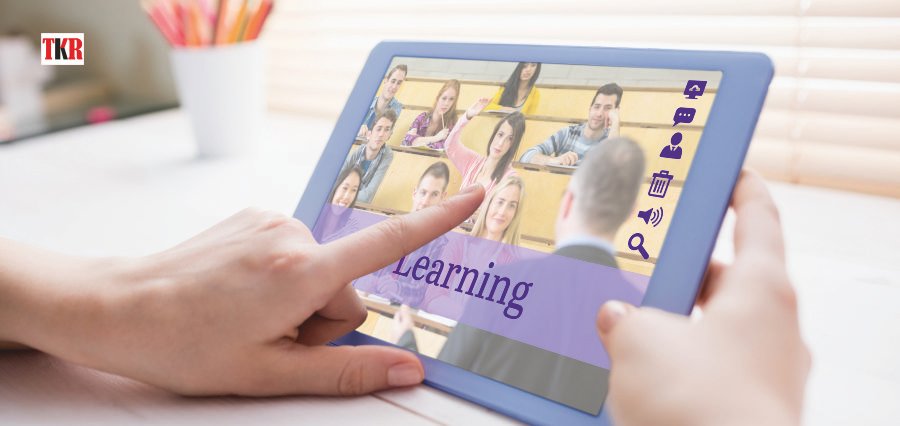
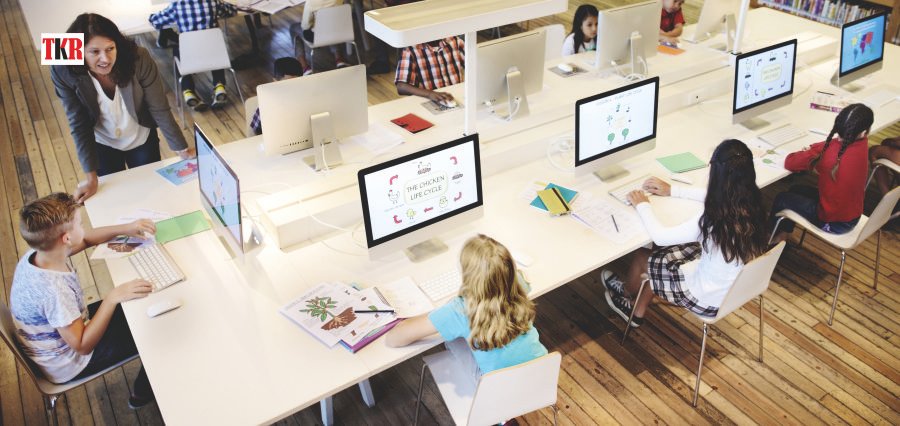
Artificial intelligence is already transforming education in significant ways. From intelligent tutoring systems to automated assessments, AI tools are helping streamline the learning process. These technologies can identify individual learning gaps and provide customized content, making education more accessible and efficient.
However, the idea that AI can fully replace teachers oversimplifies the complexity of education. Teachers do more than deliver lessons; they inspire, motivate, and adapt to the unique needs of each student. They read body language, understand emotional cues, and create a supportive environment that fosters growth. Machine vs human learning becomes especially evident in such contexts, where human intuition plays a critical role.
AI can certainly assist teachers by reducing administrative burdens and enhancing learning experiences, but it functions best as a complementary tool rather than a replacement.
Emotional Intelligence and Human Connection in Teaching
One of the strongest arguments against the replacement of teachers by AI lies in emotional intelligence. Education is not just about acquiring knowledge; it is about building confidence, resilience, and interpersonal skills. Teachers often act as mentors, role models, and even counselors for their students.
Machines, despite their sophistication, lack genuine empathy. They cannot truly understand a student’s struggles, fears, or aspirations. Human connection is central to effective teaching, and it is something that cannot be replicated by algorithms. Machine vs human learning highlights this gap clearly, emphasizing the importance of emotional depth in the learning process.
Students often remember teachers who made them feel seen and valued, not just those who delivered information. This emotional bond plays a significant role in shaping a student’s academic journey and personal development.
Striking a Balance Between Technology and Human Teaching
The future of education lies not in choosing between machines and humans but in finding a balance between the two. AI has the potential to revolutionize learning by making it more personalized, efficient, and scalable. At the same time, human teachers bring irreplaceable qualities that define meaningful education.
Instead of asking whether AI can replace teachers, a more relevant question is how technology can empower them. By integrating AI tools into classrooms, educators can focus more on creativity, mentorship, and critical thinking while leaving repetitive tasks to machines.
Machine vs human learning should not be viewed as a competition but as a collaboration. When used thoughtfully, AI can enhance the capabilities of teachers, creating a more dynamic and inclusive learning environment.
Looking Ahead at the Future of Education
As technology continues to evolve, the relationship between AI and education will become increasingly complex. While machines will undoubtedly play a larger role in shaping how we learn, the human element will remain essential. Education is ultimately about shaping individuals, not just transferring knowledge.
The debate around whether AI can replace teachers will likely continue, but the answer lies in recognizing the strengths and limitations of both. By embracing innovation while preserving the human touch, the education system can evolve in a way that benefits everyone involved.