The future of higher education and artificial intelligence (AI) took centre stage in Almaty, Kazakhstan, as more than 70 policymakers, university leaders, international experts, and cultural professionals gathered to examine how education, technology, and the arts can contribute to sustainable development. Held on October 26–27, 2026, the international conference explored new approaches to academic collaboration, responsible AI adoption, climate education, and cultural preservation.
Titled “Sustainable Central Asia: Silk Roads of Education, Arts, and AI,” the event brought together participants from Kazakhstan, Kyrgyzstan, Tajikistan, Turkmenistan, Uzbekistan, Italy, Singapore, and Uruguay. The discussions focused on strengthening regional cooperation while exploring how universities and cultural institutions can respond to changing technological and societal needs.
Future of Higher Education and AI Takes Centre Stage
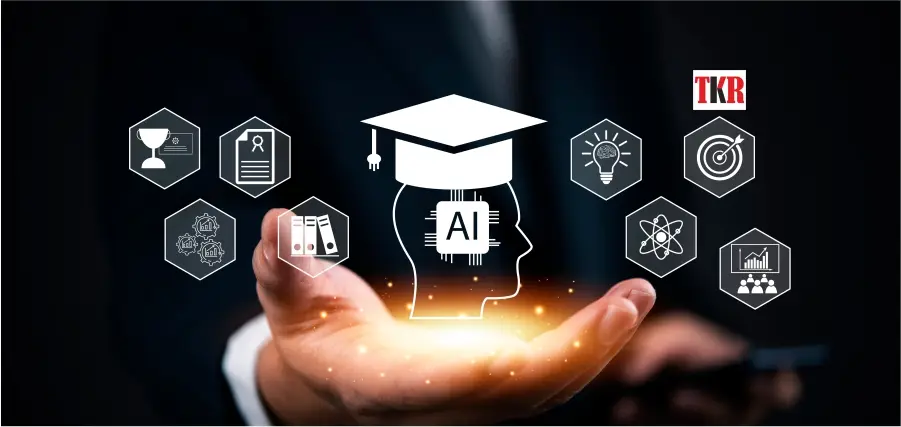
The conference examined how artificial intelligence and digital transformation are reshaping universities, teaching practices, and academic collaboration. Participants emphasized that technological innovation must be accompanied by ethical safeguards, critical thinking, and a human-centred approach to learning.
As AI tools become increasingly integrated into education, institutions face the challenge of ensuring that technology supports learning rather than replacing independent thought. Students and educators need the skills to evaluate digital information, recognize limitations in AI-generated content, and make informed decisions.
The discussions also explored international academic mobility, recognition of educational qualifications, quality assurance, and flexible learning pathways. These areas are important for enabling students and professionals to access opportunities across borders while maintaining confidence in educational standards.
Micro-credentials and alternative learning pathways also featured in discussions about how universities can respond to evolving skills requirements. Such approaches can help learners develop specialized competencies throughout their careers and adapt to changes in the global employment landscape.
Connecting Education Systems Across Central Asia
International cooperation formed another major theme of the gathering. Representatives from universities, international organizations, and qualification-recognition networks discussed ways to strengthen trust between education systems and expand opportunities for students and academic professionals.
Greater cooperation can support cross-border academic programmes, improve the recognition of qualifications, and encourage the exchange of research and teaching expertise. These developments could help Central Asian institutions strengthen their international connections while responding to regional education priorities.
The conference drew inspiration from the historic Silk Roads, which connected communities through trade, cultural exchange, and the movement of knowledge. The same spirit of exchange informed discussions about building stronger educational relationships in a period of rapid technological change.
A special dialogue with Italian artist Michelangelo Pistoletto explored the relationship between art, education, culture, and technology. The discussion highlighted how artistic practice can contribute to new ways of thinking about social change and the role of creativity in shaping the future.
Arts and Climate Education Support Sustainable Development
The second day focused on sustainability, climate change education, and the role of culture in addressing wider societal challenges.
Participants explored ways to incorporate climate change into university curricula, teacher training, and institutional practices. The discussions emphasized the importance of preparing students to understand environmental challenges and contribute to informed responses within their communities.
Youth participation also received attention through the Turn It Around initiative, which uses artistic expression to amplify young people’s perspectives on climate change. Creative approaches can make complex environmental issues more accessible while encouraging participation and dialogue.
The role of museums and cultural institutions in preserving heritage was another important topic. Discussions addressed digital cultural heritage, the protection of cultural memory, and opportunities for youth-led artistic initiatives to strengthen social connections.
By linking education with artistic expression and environmental awareness, participants examined how universities and cultural organizations could contribute to more inclusive and resilient communities.
Building Critical Thinking in the Age of Artificial Intelligence
Media and information literacy emerged as a key priority as AI-generated content becomes more widespread. Participants discussed the importance of equipping students and educators with the ability to verify information, evaluate sources, and exercise independent judgment.
University libraries and institutional partnerships were identified as important elements in maintaining access to reliable knowledge. These resources can help learners navigate increasingly complex digital environments and distinguish credible information from misleading material.
The discussions also reinforced the need to balance technological access with responsible use. While AI can support research, learning, and information discovery, educational institutions must continue to develop the analytical skills that enable students to question information and form independent conclusions.
Strengthening Regional Partnerships for the Future
The conference concluded with a call to translate discussions into practical educational and cultural initiatives, sustained knowledge exchange, and long-term international partnerships.
For Central Asia, stronger connections between universities, cultural institutions, and international experts could create opportunities for collaborative research, academic mobility, and technology-led learning. Such partnerships may also help institutions develop approaches suited to regional priorities while engaging with global developments.
The gathering highlighted the potential of education, the arts, and artificial intelligence to work together in supporting sustainable development. Its central message was that technological progress must remain connected to human creativity, ethical responsibility, and access to reliable knowledge.
As universities continue adapting to digital transformation, collaboration across disciplines and national borders will remain essential. The challenge ahead is to ensure that innovation strengthens educational quality, preserves cultural diversity, and prepares learners to navigate an increasingly interconnected world.