Every student learns differently, and a one-size-fits-all approach doesn’t always deliver the best results. That’s why many schools are adopting blended learning—a teaching method that combines traditional classroom instruction with digital tools to create a more flexible and personalized learning experience.
In DCPS blended learning, technology is used to support, not replace, teachers. Students benefit from interactive lessons, personalized learning activities, and real-time feedback, while educators can better track progress and provide extra support where it’s needed most. As classrooms continue to evolve, blended learning has become an effective way to boost student engagement and improve academic outcomes.
In this guide, we’ll explore how DCPS blended learning works, its key benefits, the challenges schools may face, and why it has become an important part of modern education.
What Is DCPS Blended Learning?
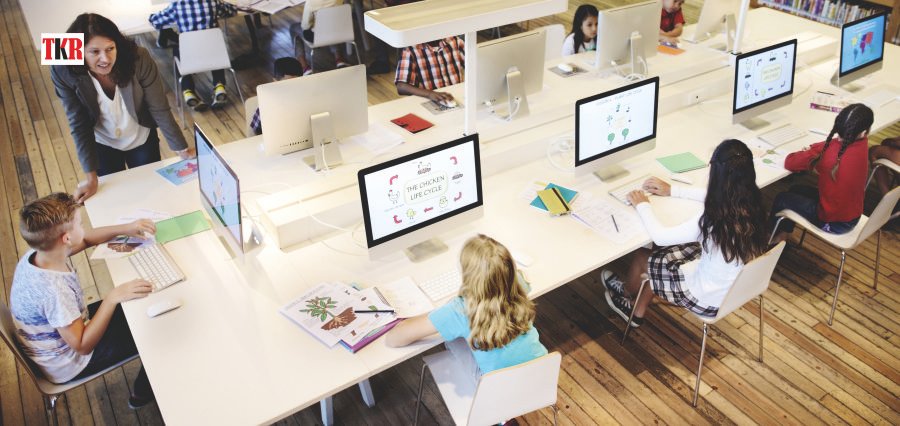
DCPS blended learning is an instructional model that integrates traditional classroom teaching with online educational resources. Students receive direct instruction from teachers while also using digital platforms to complete assignments, practice skills, and access learning materials at their own pace.
This balanced approach allows schools to combine the strengths of classroom interaction with the flexibility of technology.
Key features include:
- Teacher-led classroom instruction
- Online lessons and digital assignments
- Personalized learning paths
- Real-time student performance tracking
- Flexible learning opportunities
Instead of relying solely on textbooks or digital devices, blended learning creates a balanced educational environment where both methods support each other.
Why Blended Learning Matters in Modern Education
Today’s students learn differently than previous generations. They have access to technology every day, making digital learning an essential part of education.
Blended learning helps schools:
- Increase student engagement
- Support different learning speeds
- Improve collaboration
- Encourage independent learning
- Prepare students for future careers
Teachers also benefit by gaining better visibility into student performance through digital assessment tools and learning analytics.
How DCPS Blended Learning Works
In a blended classroom, learning takes place through multiple instructional methods rather than a single lecture.
A typical learning cycle includes:
| Learning Stage | Student Activity |
| Classroom Instruction | Teacher introduces new concepts |
| Digital Practice | Students complete interactive online exercises |
| Small Group Learning | Teacher provides targeted support |
| Independent Learning | Students review lessons at their own pace |
| Assessment | Online quizzes and classroom evaluations |
This combination helps students reinforce concepts while allowing teachers to address individual learning needs more effectively.
Benefits of DCPS Blended Learning
DCPS blended learning offers advantages for students, teachers, and schools alike.
Personalized Learning
Students learn at different speeds. Digital platforms allow learners to revisit lessons, complete additional practice, or move ahead when they master a concept.
Better Student Engagement
Interactive videos, quizzes, simulations, and educational games make learning more engaging than traditional lectures alone.
Data-Driven Instruction
Teachers receive immediate feedback through digital assessments, helping them identify learning gaps before they become larger challenges.
Flexible Learning Environment
Students can continue learning beyond the classroom by accessing educational resources from home or other approved learning spaces.
Stronger Teacher Support
Technology reduces administrative tasks like grading certain assignments, allowing teachers to spend more time providing individualized instruction.
Common Digital Tools Used in Blended Learning
Many blended learning environments rely on educational technology that supports instruction, communication, and assessment.
Common tools include:
- Learning Management Systems (LMS)
- Online assessment platforms
- Interactive educational software
- Digital textbooks
- Video-based instruction
- Collaborative classroom applications
- Progress monitoring dashboards
These resources work together to create a connected learning experience.
The Role of Teachers in Blended Learning
Technology does not replace educators. Instead, teachers become facilitators, mentors, and instructional guides.
Their responsibilities include:
- Planning engaging lessons
- Monitoring student progress
- Providing personalized instruction
- Leading classroom discussions
- Supporting struggling learners
- Encouraging critical thinking
Teachers use student performance data to adjust instruction and provide timely interventions when necessary.
Challenges of Implementing Blended Learning
Like any educational model, blended learning comes with challenges.
Some common obstacles include:
- Reliable internet access
- Availability of digital devices
- Student digital literacy
- Teacher training requirements
- Classroom technology management
- Maintaining student focus during online activities
Many schools overcome these challenges by providing continuous professional development, investing in advanced technology, and establishing clear classroom expectations.
Best Practices for Successful Blended Learning
Schools can improve learning outcomes by following proven implementation strategies.
Create Clear Learning Goals
Students should understand what they are expected to learn before beginning digital or classroom activities.
Balance Technology and Teaching
Technology should enhance instruction rather than dominate the classroom experience.
Monitor Student Progress Frequently
Regular assessments help teachers identify learning gaps early and provide additional support.
Encourage Student Collaboration
Group discussions, collaborative projects, and peer learning strengthen communication and problem-solving skills.
Provide Continuous Teacher Training
Professional development ensures educators remain confident using new educational technologies and instructional strategies.
Frequently Asked Questions
What is DCPS blended learning?
DCPS blended learning combines classroom instruction with digital learning tools, allowing students to learn through both teacher-led lessons and online educational activities.
Does blended learning replace traditional teaching?
No. Teachers remain at the center of instruction. Technology supports learning by providing additional resources, assessments, and personalized practice.
What are the benefits for students?
Students gain personalized learning opportunities, increased engagement, flexible access to educational materials, and immediate feedback on their progress.
What technology is commonly used?
Schools typically use learning management systems, educational software, online assessments, digital textbooks, and interactive classroom applications.
Is blended learning effective?
Research consistently shows that well-designed blended learning programs can improve student engagement, academic performance, and instructional efficiency when supported by trained educators and appropriate technology.
Conclusion
DCPS blended learning represents a modern approach to education that combines the strengths of classroom instruction with digital technology. By supporting personalized learning, improving student engagement, and providing teachers with valuable instructional data, this model helps create more effective learning environments. As educational technology continues to evolve, dcps blended learning will remain an important strategy for preparing students with the knowledge, skills, and confidence needed for future academic and professional success.