The way in which people learn has evolved significantly from the traditional elements that characterized a classroom, such as a chalkboard, textbooks, or rows of stiff chairs. Education today has become a winding road that’s rapidly changing, driven by innovation, technology, and a deeper awareness of how people best learn. At the center are smart classroom equipment, which, together with the creation of teaching software, are revolutionizing teaching approaches that help keep the learner engaged in a classroom setting, from schools to training centers.
The importance of Smart Classroom Technology in modern Education
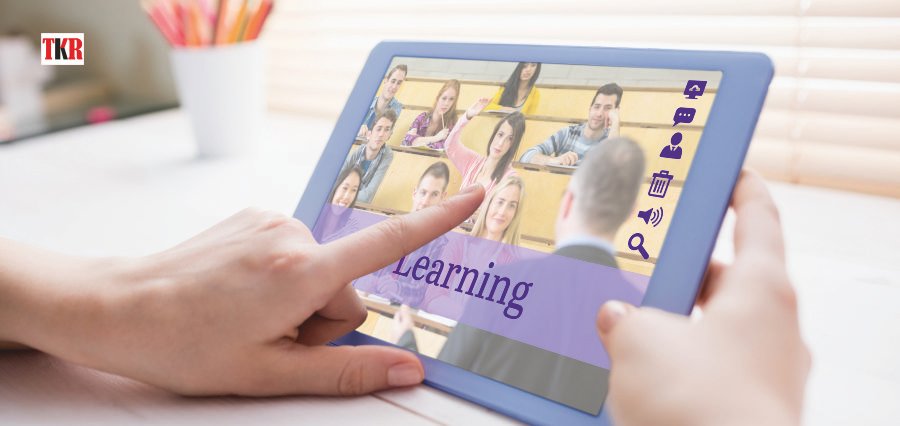
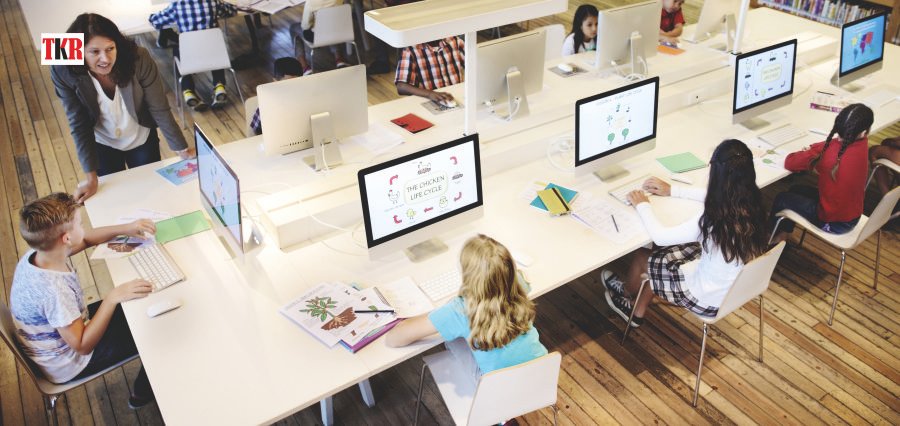
It is evident that smart devices have become the physical foundation for digital learning. Interactive screen devices, digital whiteboards, document cameras, smart projectors, and state-of-the-art audio video systems have become the latest additions that have replaced their past counterparts for facilitating an even more vibrant rendering of education to students with relative ease by seamlessly embedding videos, simulations, and even quick quizzes into lessons taught.
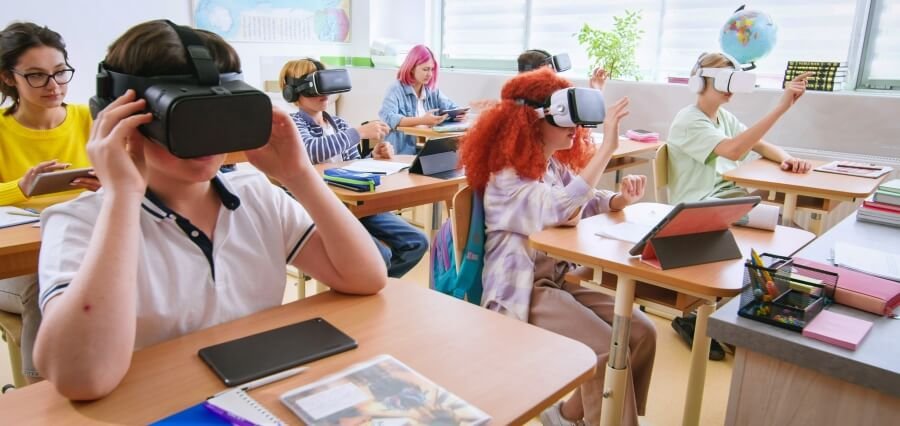
Even more important is that smart equipment can support different learning methods. Thus, video helps to enrich content for “visual” learners, improved auditory material helps “auditory” learners, and “kinesthetic” learners can directly participate in content via interactive multimedia-related material touched on above. All this helps to minimize “gaps in student’s focused attention” and maintain active engagement on a student’s part instead of “passive listening.” This section discusses how the educational software development process can be complementary to the While smart equipment develops the infrastructure, ed software development brings the infrastructure to life. Learning management platforms, virtual classrooms, assessment tools, etc., guarantee that technology is not only being used, but also to accomplish something specific. Thus, ed software development strives to develop software that can fulfill curriculum objectives while also being flexible to support a range of instruction.
With the best of modern educational software, teachers can even monitor in real time the progress students are making, adjust lesson plans on the fly, and catch early signs of learning gaps. Students enjoy self-directed study, immediate feedback, and access to resources anywhere beyond the classroom. When the software is thoughtfully designed, it turns smart classroom tech into a seamless ecosystem where data, content, and interaction flow with ease.
Bringing Smart Classroom Tools and Educational Software Development Together
The true power of digital education reveals itself when the development of smart classroom devices and educational software go hand in glove. Interactive screens integrated with learning management systems allow teachers to initiate assignments, make annotations in real time, and save discussions for future review. Tablets and student devices interfacing on these platforms further allow collaborative learning, where ideas can be shared, polls taken, and problems solved collaboratively.
This is also the very basis for hybrid and blended learning. Lessons given in class can be recorded, housed within the software, and accessed by students participating remotely, without disruption. Smart classroom equipment delivers a high-quality output, while the software ensures accessibility and consistency. This together erases barriers to time, place, and pace. Benefits for Teachers and Students Alike The biggest accomplishment of smart classroom gear paired with educational software development is in teacher empowerment. Educators are able to disentangle from mundane tasks such as manual grading and tracking attendance, and they devote the resultant extra hours to mentoring and innovative instruction. Equipped with data-powered insights, teachers have better clarity into trends pertaining to student behavior, engagement, and performance.
With the best of modern educational software, teachers can even monitor in real time the progress students are making, adjust lesson plans on the fly, and catch early signs of learning gaps. Students enjoy self-directed study, immediate feedback, and access to resources anywhere beyond the classroom. When the software is thoughtfully designed, it turns smart classroom tech into a seamless ecosystem where data, content, and interaction flow with ease.
Bringing Smart Classroom Tools and Educational Software Development Together
The true power of digital education reveals itself when the development of smart classroom devices and educational software go hand in glove. Interactive screens integrated with learning management systems allow teachers to initiate assignments, make annotations in real time, and save discussions for future review. Tablets and student devices interfacing on these platforms further allow collaborative learning, where ideas can be shared, polls taken, and problems solved collaboratively.
This is also the very basis for hybrid and blended learning. Lessons given in class can be recorded, housed within the software, and accessed by students participating remotely, without disruption. Smart classroom equipment delivers a high-quality output, while the software ensures accessibility and consistency. This together erases barriers to time, place, and pace. Benefits for Teachers and Students Alike The biggest accomplishment of smart classroom gear paired with educational software development is in teacher empowerment. Educators are able to disentangle from mundane tasks such as manual grading and tracking attendance, and they devote the resultant extra hours to mentoring and innovative instruction. Equipped with data-powered insights, teachers have better clarity into trends pertaining to student behavior, engagement, and performance.