Student engagement is similar to the essential life factor of effective learning. Students’ enthusiasm for a lesson, be it in a school classroom, an online module, or a college lecture hall, is the main factor that determines their comprehension, memory, and usage. However, in the rapidly changing education world, students’ attention spans are getting shorter, and there are more and more things that distract students’ focus. Teachers need to be equipped with strong, adaptable, and current strategies if they are to see their students actively engaging in the learning process. Proper student engagement techniques do not only raise the number of students who take part in the activities; they empower students to recognize their learning as a process of self-actualization during which they are recognized, respected, and encouraged. By means of well-thought-out planning and creative teaching, engagement may become not only the teachers’ challenge they have solved but also an everyday feature of the routine learning.
Building Meaningful Connections With Students
Human connection lies at the core of all student engagement strategies that lead to success. Students become more committed to the process if they see that the teacher cares for them, understands their difficulties, and respects their individuality. Educators, who know the names, interests, and backgrounds of the students, not merely convert the classroom atmosphere into a place of mutual respect and trust but also establish the base for the emotional setting that is indispensable for deep engagement. Students are willing to participate deeply when they receive psychological safety.
Before the lesson, a quick talk about their feelings or recognizing their achievements are some of the ways through which the teachers can construct an environment where the participation will naturally be of a higher level. Those teachers who dare to talk about the problems they have experienced while learning not only involve students more in the learning process but also affect students’ view of education as a joint journey and not a one-sided instruction process. The closer the relationship, the more engagement happens naturally.
Creating Interactive and Student-Centered Lessons
The world has changed completely, and so has the classroom: the teacher is no longer a monologuist, and students are no longer passive listeners. Students today demand to be a part of the process. They require interaction, collaboration, and creativity. One of the best student engagement strategies is the designing of lessons where students are given the responsibility of creating their educational experiences.
Interactivity can be brought into a lesson through any of the following means: discussion groups, debates, role-plays, experiments, simulations, or problem-solving activities requiring student collaboration to find the solutions. These activities, on the one hand, encourage critical thinking and, on the other hand, peer learning. Students’ motivation will be raised without them being aware of it if they are given the ownership of tasks and their input is recognized.
Student-centered learning also has the feature of being flexible. Rather than using one single teaching method for all, teachers can offer several ways through which students could grasp the concepts—via visuals, practical works, telling, or tech tools. Besides addressing the different learning styles, this method also makes the lesson more vivid and attractive. When students see that they are allowed to choose the manner in which they present their ideas, their self-esteem increases, and they become more active in class.
Using Technology to Enhance Participation and Curiosity
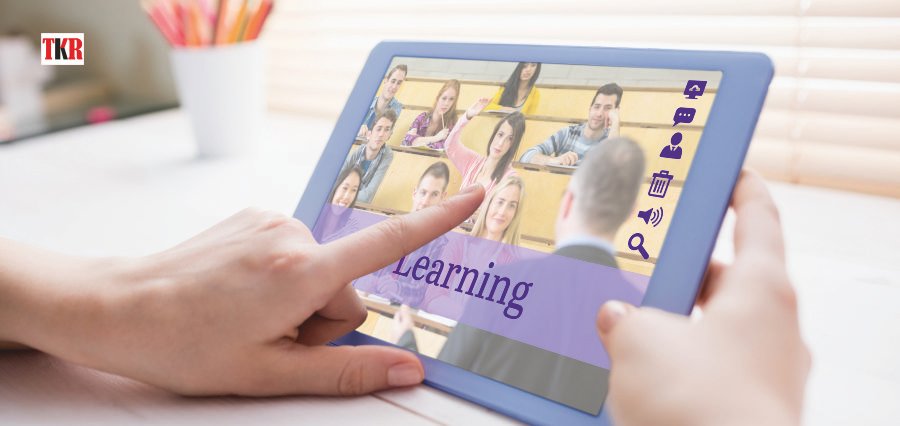
Technology, when used properly, can be a great partner for teachers who want to improve their strategies and increase engagement. Locally, Internet-pal activities may not be exciting, and students may even get bored with them; however, online availability of those activities may spark some curiosity of the learners. A few examples of things that can be implemented in order to grab the attention of the generation that is already digitally savvy and demanding in terms of content presentation are interactive quizzes, virtual reality trips, educational games, and AI-powered learning platforms.
In a case such as a lesson, where interactive polls are used, every student will doubtlessly put their answer, so silent and shy learners thus get a chance to participate as well. Through virtual laboratories or simulations, students are allowed to perform experiments with certain concepts, which, if they are done under normal circumstances, are not only difficult but also impossible to carry out in a traditional classroom. In gamified learning, where concepts are learned through games, students receive rewards, which can be achievements and leaderboards; thus, the love for competition and motivation to further participation increase simultaneously.
However, technology should not take over the role of human interaction but rather be an efficient learning means. When educators employ digital devices along with purposeful instruction, they get prolonged student focus as well as their engagement in the learning process. Besides this, technology makes the learning process personalized; therefore, students will be able to advance in topics they understand, come back to the ones they find difficult, or delve deeper into the ones that are beyond their level, and all this will lengthen their engagement with the subjects.
Encouraging Reflection, Voice, and Ownership
One of the most underestimated factors that leads to student engagement is providing them with time and space for reflection, giving them a voice, and making them feel like the owners of their learning.
Students become extremely powerful if teachers and other decision-makers treat their ideas as important and their thoughts as a way to make decisions in the class. Allowing students to choose project topics, activities to vote on, or personal goals for learning to set creates the feeling of agency within them. As a result, students who feel responsible for their learning areengagement deeply and are more likely to are engagedengage themselves.
Reflecting on their learning through diaries, self-evaluations, or peer reviews compels students to not only rethink the content they have learned but also, at the same time, makes them realize the facets of which they need to further develop. Such opportunities to delve deeper into their relationship with the content as they now have to analyze their own cognitive processes. Supporting student voice through open-ended questions, classroom discussions, suggestion boxes, or digital feedback tools enables teachers to modify their work based on real input.
The learning environment becomes democratic and lively when students understand that their choices and ideas influence the class. The feeling of ownership not only deepens the students’ motivation but also makes them willing to attend even if the subjects are difficult.
Conclusion: Engagement as a Continuous Journey
Student engagement is not a single-time achievement but rather a continuous dedication that has to be made. It requires an educator to be inventive, have a lot of patience, and be willing to adjust not only to the constantly changing personalities and methods of learning but also to the new trends in education. The best student engagement tools are straightforward—they are deliberate. Some of these strategies include providing students with a feeling of being valued, making lessons attractive, using technology properly, and giving students more speaking opportunities.
As long as educators focus on connection, curiosity, and continuous improvement, classrooms turn into places not only for learning but also for students to thrive. A strong connection between teaching and true understanding, which is called engagement, is the key that opens the door to success for every learner. learner.