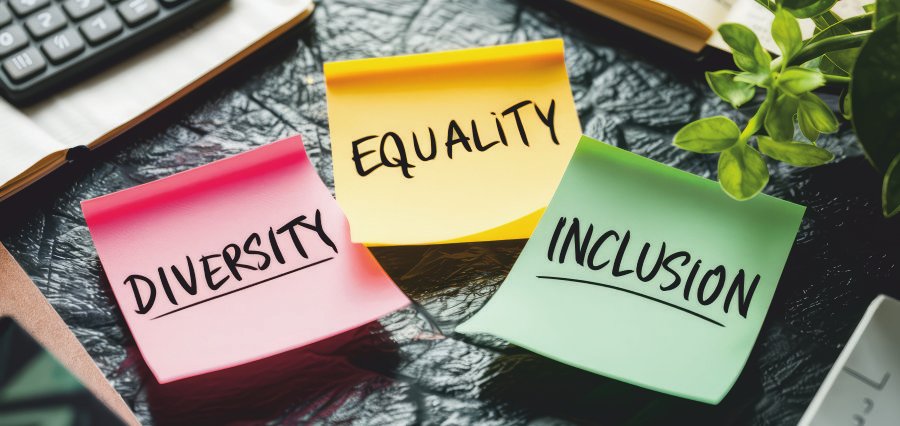
Diversity, Equity, and Inclusion are no longer optional ideals; they are essential components of a thriving, future-ready organization. Businesses across industries are recognizing that inclusive environments foster innovation, improve employee satisfaction, and drive long-term growth. However, implementing DEI is not about surface-level initiatives or one-time efforts. It requires a consistent, thoughtful approach embedded into every layer of the organization. Understanding how to implement dei in the workplace begins with acknowledging that inclusion must be intentional, measurable, and continuously evolving.
Building a Strong Foundation Through Leadership Commitment
The journey of implementing DEI starts at the top. Leadership must not only support but actively champion diversity and inclusion initiatives. When leaders demonstrate commitment through their actions, policies, and communication, it sets the tone for the entire organization.
This involves creating a clear vision and aligning DEI goals with business objectives. Leaders should invest in training programs that help them recognize unconscious biases and develop inclusive decision-making skills. Transparency is equally important. Sharing progress, challenges, and future plans builds trust among employees and signals that the organization is serious about change.
Moreover, leadership accountability is crucial. Setting measurable targets and tying them to performance evaluations ensures that DEI is not treated as a side initiative but as a core business priority.
Creating Inclusive Hiring and Workplace Practices
A critical aspect of implementing DEI lies in rethinking recruitment and workplace practices. Organizations must evaluate whether their hiring processes are truly inclusive or unintentionally biased. This includes reviewing job descriptions, diversifying talent pipelines, and ensuring interview panels represent varied perspectives.
Beyond hiring, inclusion must extend to everyday workplace experiences. Employees should feel valued, heard, and respected regardless of their background. This can be achieved by fostering open communication, encouraging diverse viewpoints, and creating safe spaces for dialogue.
Understanding how to implement dei in the workplace also means addressing systemic barriers. Equal access to opportunities, fair compensation, and unbiased performance evaluations are essential. Mentorship and sponsorship programs can further support underrepresented groups, helping them grow and succeed within the organization.
Embedding DEI into Company Culture and Policies
For implementing DEI to be effective, it must be woven into the organization’s culture rather than treated as an isolated initiative. This involves integrating inclusive values into policies, processes, and daily interactions.
Training and education play a significant role here. Regular workshops on cultural awareness, inclusive communication, and allyship can help employees understand the importance of diversity. However, these sessions should go beyond theory and encourage practical application.
Company policies should also reflect a commitment to equity. Flexible work arrangements, inclusive benefits, and clear anti-discrimination guidelines contribute to a more supportive environment. Celebrating cultural events and recognizing diverse perspectives can further strengthen a sense of belonging.
When employees see that inclusion is part of the organization’s DNA, they are more likely to embrace and contribute to these efforts.
Measuring Impact and Driving Continuous Improvement
Implementing DEI is an ongoing process that requires regular evaluation and refinement. Organizations must track progress using data-driven metrics such as employee demographics, retention rates, and engagement levels.
Surveys and feedback mechanisms provide valuable insights into employee experiences. Listening to these perspectives helps identify gaps and areas for improvement. It also demonstrates that the organization values its people and is willing to adapt.
Understanding how to implement dei in the workplace includes being open to change. Strategies that work today may need adjustment tomorrow as workforce dynamics evolve. Continuous learning, benchmarking against industry standards, and staying informed about best practices are essential for sustained success.
Accountability should extend across all levels of the organization. When teams and individuals are responsible for contributing to DEI goals, it creates a collective effort that drives meaningful change.
Moving Forward with Purpose and Accountability
Creating an inclusive workplace is not a one-time achievement but a continuous journey. Organizations that prioritize implementing DEI with authenticity and intention are better positioned to attract diverse talent, foster innovation, and build stronger communities.
By focusing on leadership commitment, inclusive practices, cultural integration, and measurable outcomes, businesses can create environments where everyone has the opportunity to thrive. The real impact lies in consistent action, where inclusion becomes a natural part of everyday work life rather than an occasional initiative.